
 Strengthening Transit Through Community Partnerships

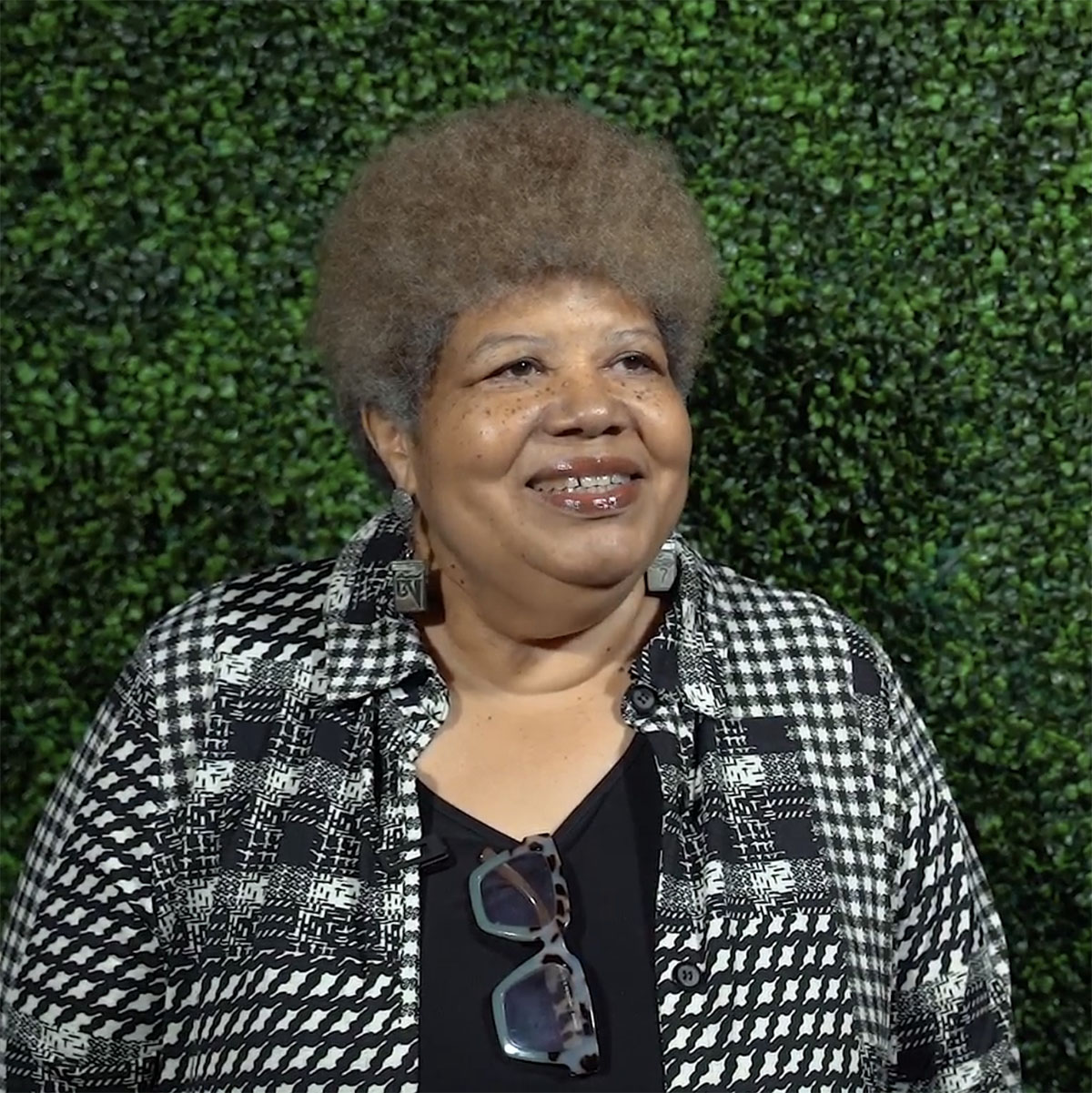
Chief Strategy and Program Officer Miriam Savad, above (at a CNT planning retreat) led our recently-completed theory of change, impact framework and strategic plan process.
By Miriam Savad
2025 was by all accounts a disruptive year, ushering in a wave of instability. Yet amid this challenging time, CNT still carved out time to reflect on the purpose and direction of our work: our work is to equitably change systems to support more just, resilient, sustainable and thriving neighborhoods for people from all walks of life.
Over the second half of 2025, through a deeply collaborative process, we created a new theory of change, impact framework, and 5-year strategic workplan. These new tools will help guide our decisions about work and our focus, from how we continue to support community needs and best apply our skills and experiences, to how we evaluate and share our impact.
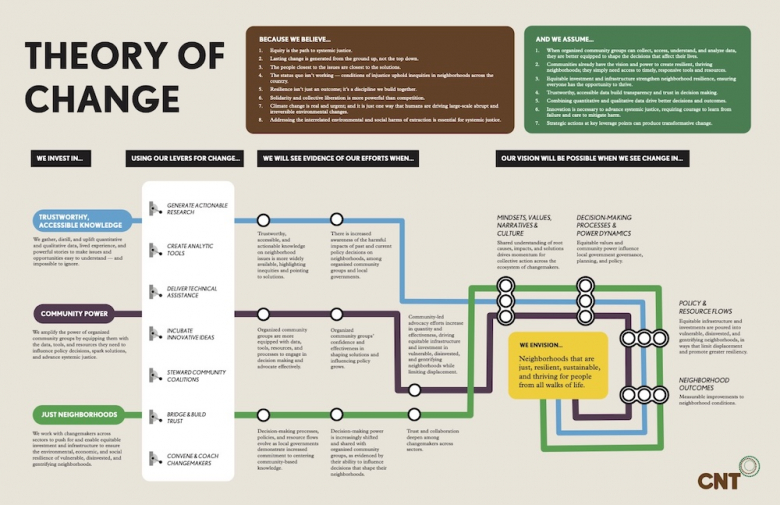
To view and download our Theory of Change, click here or on the image above.
Our three areas of investment: Knowledge, Power, Neighborhoods
Our Theory of Change centers on three programmatic areas using our core strategies and skills, or levers of change. Focusing on these three areas, we are working towards the ultimate outcome of measurable improvements in neighborhood conditions.
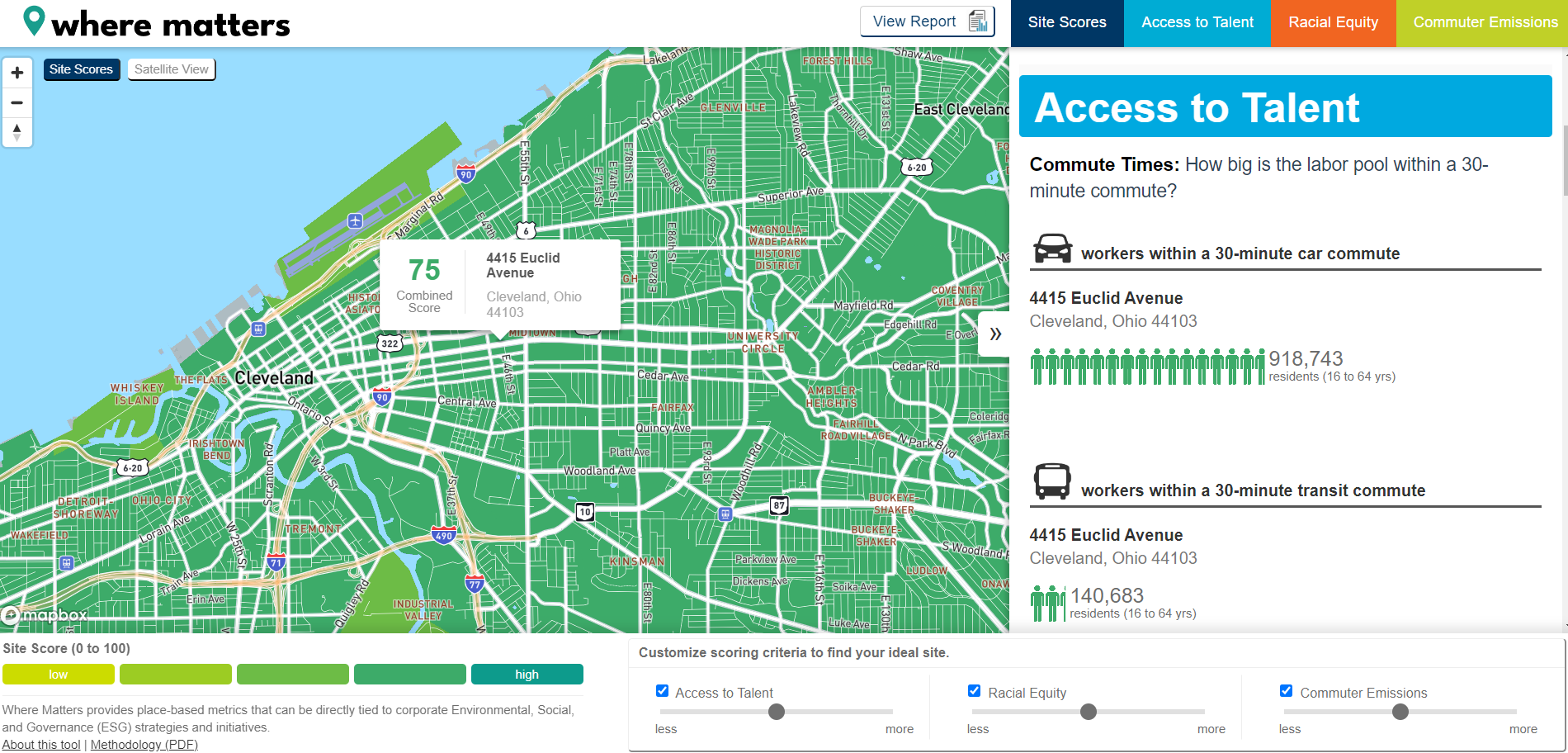
Trustworthy, Accessible Knowledge: We gather, distill, and uplift quantitative and qualitative data, lived experience, and powerful stories to make issues and opportunities easy to understand and impossible to ignore. Recent examples include our Chicago Truck Data Portal 2.0 tracker and the Black Perspectives on Public Transit story map.
Community Power: We amplify the power of organized community groups by equipping them with the data, tools, and resources they need to influence policy decisions, spark solutions, and advance systemic justice. Our stewardship of the Transit Equity Network (TEN) and their Bus Priority engagements and our new Community Accountability Framework tools embody this commitment.
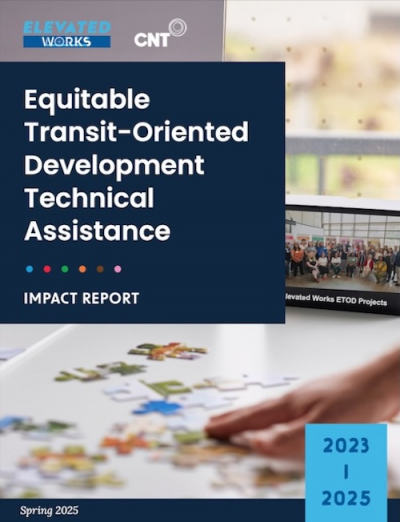
Just Neighborhoods: We work with changemakers across sectors to push for and enable equitable investment and infrastructure that ensures the environmental, economic, and social resilience of vulnerable, disinvested, and gentrifying neighborhoods. Our Elevated Works equitable transit-oriented development technical assistance program and RainReady Calumet project demonstrate this work in action.
We surprised ourselves with the degree of alignment that emerged, both across our varied work areas and from staff members who have been at CNT for decades as well as CNTers who joined in the past few years. While we work on transportation, climate, economic development, and other issues, the process brought consensus: this is what we do, and this is how we know we're doing good work.
As a Chicago-based organization, we recommitted to the importance of local context and relationships, and maintaining a national presence through tools, coaching, and thought leadership.
A key insight from this process was the interconnectedness of our work across our three approaches. A good example of that is our emerging Community Data Trust and Knowledge Lab work, which fits well across our three approaches of gathering and sharing data, amplifying communities’ knowledge and power, and partnering with changemakers in neighborhoods and government.
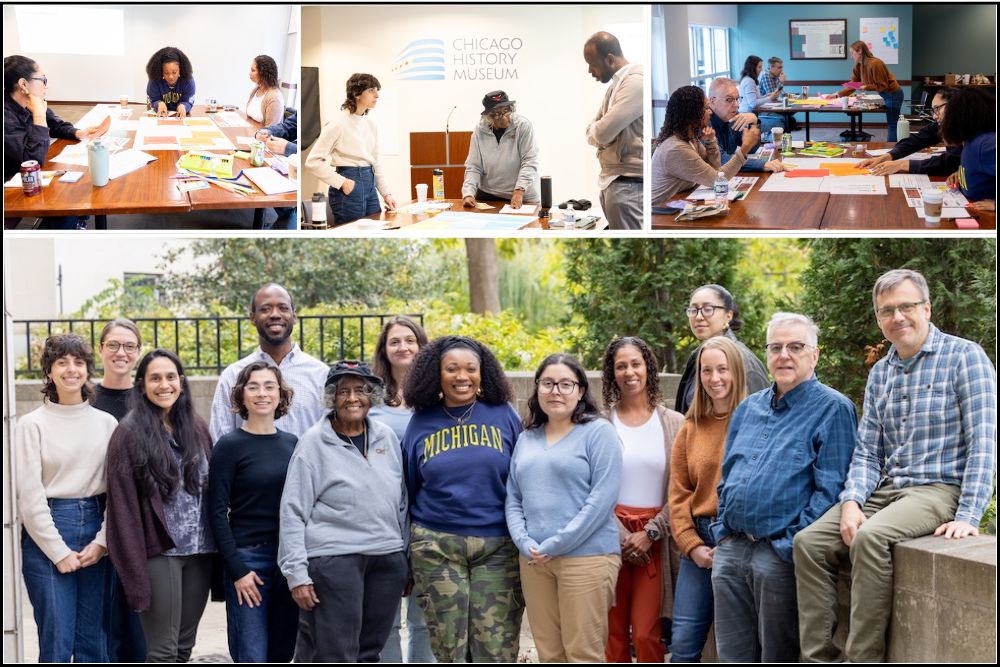
CNT staff at our strategic planning retreat in October 2025. Photos courtesy of Daylight by Kathleen Hinkel.
How we got to our new theory of change
This process was built on the work we did to develop and document our values over 2023 and 2024. With new leadership, and an unprecedented time, our ultimate goals for this process were alignment, a plan on what is core to the organization, an adaptive and adaptable posture, and new infrastructure to guide and measure our work.
The strategic planning process started with a look outward. EnColor Consulting, a Black, women-owned firm, interviewed stakeholders in the first phase, creating a request for proposals to lead the planning and theory of change work. We then selected Daylight (also woman-owned), a systemic design practice that works with changemakers to amplify their power for systems change, to lead our planning process.
This project was long planned — a $1 million cut in support from federal programs, leading to layoffs and other adjustments early in 2025 was not. This was a tough development for our team, but we adapted and did nearly everything we had originally envisioned in our planning process over a shortened timeline.
What we ended up with is a workplan for the next five years, and even more so, a renewed sense and commitment of who CNT is and what we do. We’ll continue much of the work we’re doing currently– we now have a sharper language to state what we’re doing and why, and new tools to track our progress against our stated outcomes, including defined metrics and data sources as part of our impact framework to measure progress against each outcome in the Theory of Change.
Whether you’re new to CNT or have been with us since our radical beginning, we’re excited to put these new frameworks and tools to work. If you have questions about how we’ll be applying them, I invite you to reach out.
Questions?

For more information on this project contact Director of Strategy and Programs Miriam Savad:
Miriam Savad
msavad@cnt.org