
 Strengthening Transit Through Community Partnerships
Climate action is often measured in tons of carbon reduced. But for families, its impact can be much more personal.
It can mean lower utility bills, a safer electrical system, or a home that stays comfortable during extreme weather. It can also mean that residents can live in their homes without fear of negative health consequences.
These are the kinds of changes made possible through Evanston Green Homes, a pilot program that provided no-cost health, safety, energy-efficiency, and electrification improvements to income-qualified homeowners and rental properties. As the project comes to a close after seven years of planning and implementation, its impact offers a valuable lesson: climate investments can reduce emissions while making people’s homes healthier, safer, and more affordable.
Building climate resilience from the home up
Planning for Evanston Green Homes began in 2019, when the City of Evanston received funding to study how climate-related housing risks affect residents. The City partnered with Center for Neighborhood Technology (CNT) and Elevate to develop a program that would advance the goals of Evanston’s Climate Action and Resilience Plan (CARP) while responding to the needs of residents most vulnerable to rising energy costs and climate hazards.
The project focused on two census tracts located primarily in Evanston’s 5th and 8th wards. CNT and its partners used a data-driven vulnerability score to identify areas with high concentrations of residents of color, lower median household incomes, affordable housing, and significant climate-related infrastructure risks.
This focus was intentional. The households most vulnerable to climate change often have the fewest resources available to prepare for it. Older homes may require extensive health and safety repairs before energy improvements can even begin. Renters may have little control over building upgrades, while property owners may struggle to afford major improvements. Traditional incentive programs can leave these households behind because they require residents to navigate multiple agencies, contractors, applications, and funding sources.
Evanston Green Homes was designed to overcome those barriers.
One program, many improvements
The pilot used a “One-Stop Shop” model that guided participants through the entire retrofit process. After confirming eligibility, the project team arranged a professional energy assessment, identified recommended improvements, hired qualified contractors, oversaw construction, and followed up with residents after the work was completed.
Depending on the needs of each property, improvements included enhanced insulation, new electrical systems, energy-efficient appliances, heat pumps, induction stoves, and the removal of health hazards such as mold, lead, and asbestos. The program was offered at no cost to participating residents and property owners.
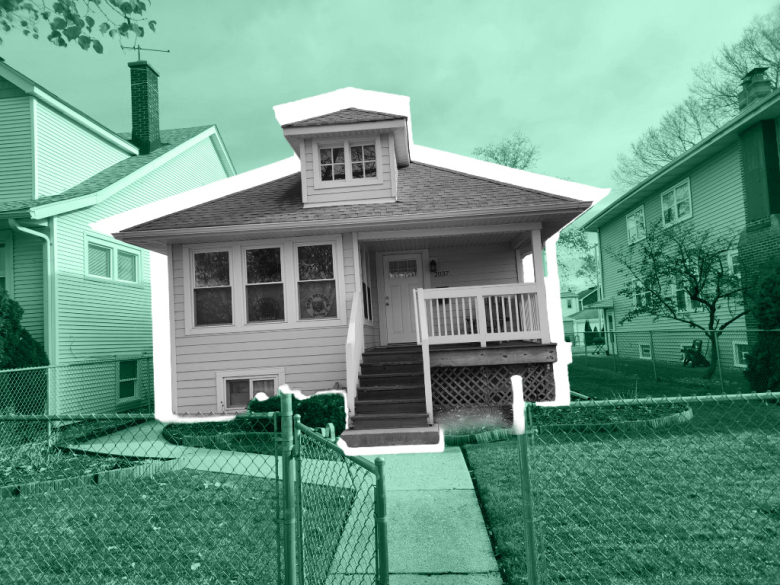
One of the first completed homes received approximately $60,000 in improvements, including an induction range, electric water heater, and high-efficiency heat pump to replace gas-powered systems. By the end of the pilot, project partners expect improvements to have reached approximately 50 housing units, including a 30-unit affordable housing property added during the program’s final phase. Even before all of those improvements were finished, the project had produced an estimated reduction of 43 metric tons of greenhouse gas emissions. (The Daily Northwestern)
Those numbers demonstrate the project’s environmental value. Resident experiences show its human value.
Participants reported benefits that extended beyond energy savings, including safer and more comfortable living conditions. In post-project surveys, every respondent said they would recommend the program. For one family, the removal of mold meant their children could safely take a bubble bath for the first time.
That moment captures why this work matters. Climate resilience is not an abstract goal. It is experienced in the places where people sleep, cook, raise their children, and spend much of their lives.
Keeping green investments from driving displacement
Improving a home can increase its value, but without safeguards, public investment can also contribute to rising rents and displacement. Evanston Green Homes treated housing affordability as a core part of climate resilience.
Rental property owners who received improvements were required to sign affordability preservation agreements that limit rent increases for five years based on Illinois Housing Development Authority standards. This safeguard helped ensure that renters could benefit from healthier, more efficient homes without being priced out because of the improvements.
Residents also had a voice in shaping the pilot. A Resident Advisory Group and five community focus groups helped the project team understand the experiences of renters, homeowners, and landlords. Their input influenced the program’s communication, eligibility process, equity safeguards, and project scope.
This community-informed approach reinforced an important principle: programs designed for residents should also be designed with them.
Lessons for the next generation of retrofit programs
As a pilot, Evanston Green Homes was intended not only to improve individual properties but also to identify what it takes to deliver equitable residential retrofits at a larger scale.
The project demonstrated the value of providing one point of contact to help residents navigate a complicated process. It also revealed where stronger systems are needed. Future programs could reduce administrative burdens by simplifying eligibility documentation and automating access to utility data. Closer coordination among municipal departments could help align housing rehabilitation, sustainability, and permitting processes. Formal partnerships with utility companies and state weatherization programs could bring additional resources to each project.
The pilot also generated interest from local contractors, receiving 30 qualified bids. Breaking future projects into smaller, trade-specific scopes could create more opportunities for local and minority- and women-owned businesses to participate.
Most importantly, the demand is clear. A long waitlist of interested residents shows that households want these improvements. What remains uncertain is whether sufficient funding will be available to continue and expand the work.
A model worth building on
Evanston Green Homes began with a question: How can a city reduce emissions without leaving its most vulnerable residents behind?
Seven years later, the pilot has offered an answer. Start with the homes and communities facing the greatest risks. Listen to residents. Remove the financial and administrative barriers that keep people from participating. Connect energy improvements with health, safety, and affordability. Then build partnerships capable of delivering those benefits from start to finish.
The pilot is ending, but the need it addressed is not. Extreme temperatures, rising utility costs, aging housing, and environmental health hazards continue to place pressure on households. The challenge now is to take what Evanston Green Homes demonstrated and build programs that can reach more residents.
For CNT, this project reinforces a belief that has guided our work for nearly 50 years: environmental progress and economic justice must move forward together. When climate investments are designed around people’s lived experiences, they can do more than reduce carbon. They can make homes safer, protect household budgets, preserve affordable housing, and give families greater security in a changing climate.