


 Strengthening Transit Through Community Partnerships
Houston, in particular, was highlighted in the report as a “poster child for a frequency- and ridership-oriented bus system redesign,” based on its recent bus route overhaul. “Though system planners caution it will take years for the full effect of the reorganization to be felt, ridership on the local bus network has increased by 3 to 4 percent overall, with double-digit percentage increases on weekends.”
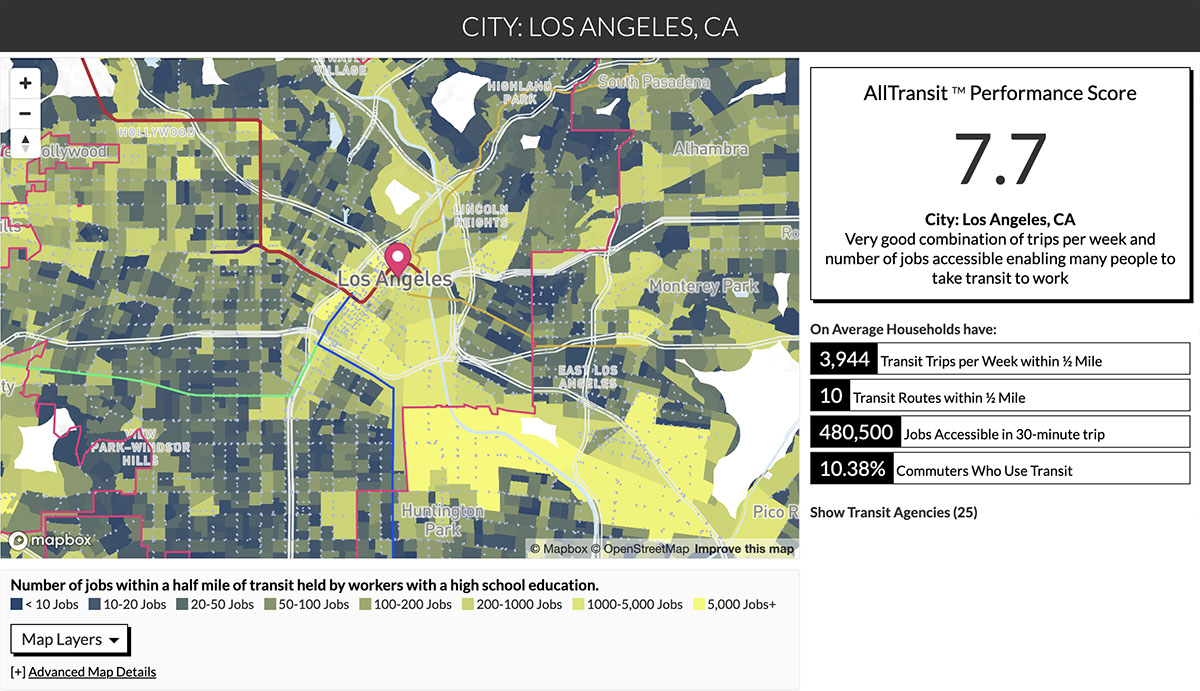
Spieler and TransitCenter have, however, differed on the definition of “high-frequency” routes. TransitCenter only considers lines that run, on average, every 15 minutes every day of the week to be high frequency. And according to the Center for Neighborhood Technology and TransitCenter’s AllTransitinteractive database, Houston’s transit network serves some groups better than others. So, while black and Latino residents comprise 69 percent of those living within walking distance of transit, they are only 54 percent of those living close to these high-frequency lines. For white people, the figures are 24 percent and 36 percent respectively. METRO officials have questioned the organization’s definition of high-frequency service.