
 Strengthening Transit Through Community Partnerships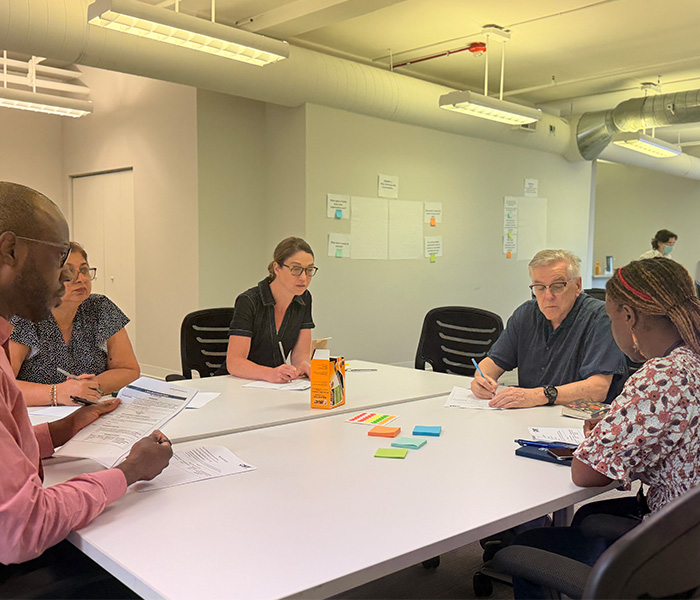
Chicago Urban Flood Detection Pilot
In August 2025, Center for Neighborhood Technology in partnership with Verizon and Hyfi launched an urban flood detection pilot to better understand how flooding impacts neighborhoods across the city. The pilot includes 50 sensors built by Hyfi and deployed through Verizon Community Disaster Resilience initiative. Together, these sensors create a new, real-time view of how water moves through Chicago’s streets, waterways, and underground systems.
As climate patterns shift, storms are becoming more intense and more frequent, often delivering heavier rainfall in shorter bursts. Across Chicago, this has led to increased urban flooding, from water pooling on roadways to backups in basements and added pressure on aging drainage infrastructure. While these impacts can disrupt daily life for anyone, they are often felt most acutely in disinvested neighborhoods, where infrastructure may be older or under-resourced. Flooding can also create barriers for residents who rely on walking or public transportation, and in more severe cases, can limit how quickly emergency services are able to move through affected areas. This pilot is part of a broader effort to better understand how, where, and when flooding occurs across the city. By building a clearer picture of these patterns, the project supports ongoing collaboration with partners to identify potential improvements to Chicago’s infrastructure and respond more effectively to a growing climate challenge.
Flood Sensor Technology in Chicago
Sensors are installed in the public right of way across roads, rivers, and manholes. Each device measures depth below its position, detecting changes in water levels at or below the surface. The technology can measure more than 30 feet deep within a four-foot diameter, capturing conditions that are otherwise difficult to monitor.
Road and river sensors are solar-powered, while manhole installations rely on battery power where sunlight is limited allowing the network to function across a range of urban environments.
Flood Sensor Locations Across Chicago Neighborhoods
The pilot spans Chicago from Hegewisch to Rogers Park, with a concentration in West and South Side communities, including Austin and Chatham. These areas have experienced ongoing flooding challenges, making them a key focus for deployment.
Locations were selected through collaboration among:
- Center for Neighborhood Technology
- National Weather Service
- Chicago Transit Authority
- Multiple City of Chicago departments, including:
Community Engagement and Flood Preparedness in Chicago
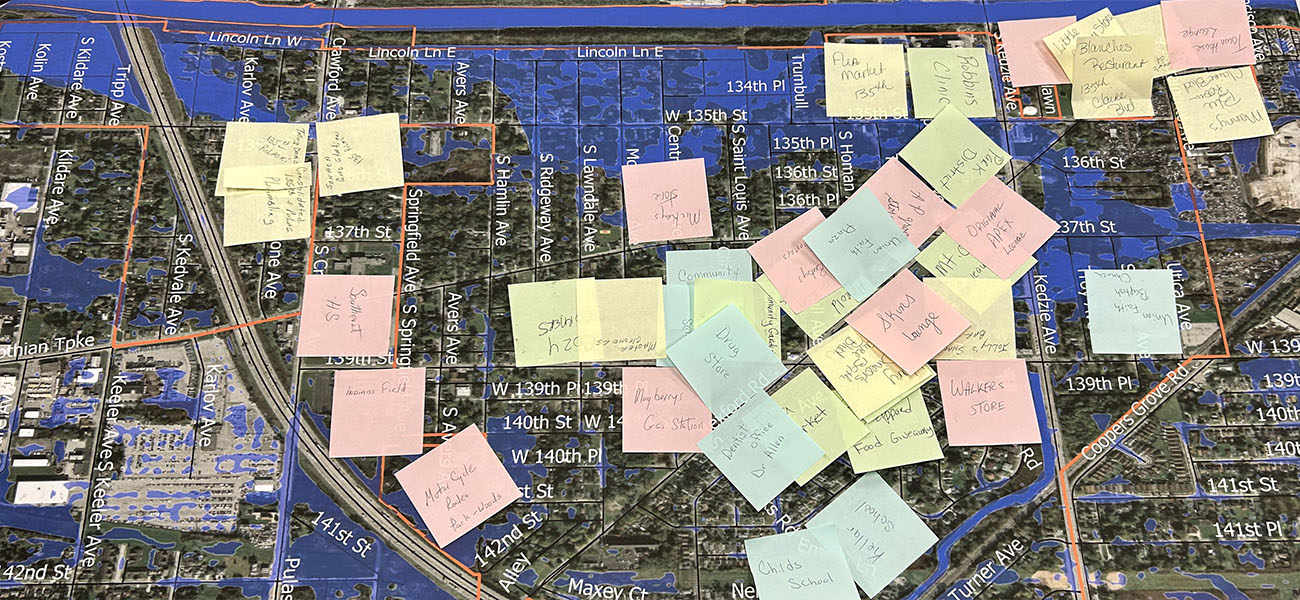
Community input has shaped the pilot from the start. In 2025, the Center for Neighborhood Technology hosted four resident engagement sessions with partners including Grassroots Empowerment Mission, Greater Chatham Initiative, and North River Commission.
These sessions helped inform sensor placement while creating space for residents to share their experiences with flooding and preparedness. In 2026, CNT will expand this work with six additional engagements, introducing new partners and continuing to center resident perspectives while building familiarity with the information generated through the sensors.
Urban Flood Data and Infrastructure Insights
The pilot is generously funded by Verizon and will run through the end of 2026 at no cost to the City of Chicago. As the project continues, sensor data is being reviewed alongside other sources, including Chicago’s 311 flood reports, to identify potential improvements to the city’s infrastructure and better understand how flooding patterns are evolving over time.
Keep Reading

"This project has energized community groups on solutions to Chicago's flooding problem"
Paulina Vaca
pvaca@cnt.org