
 Strengthening Transit Through Community Partnerships

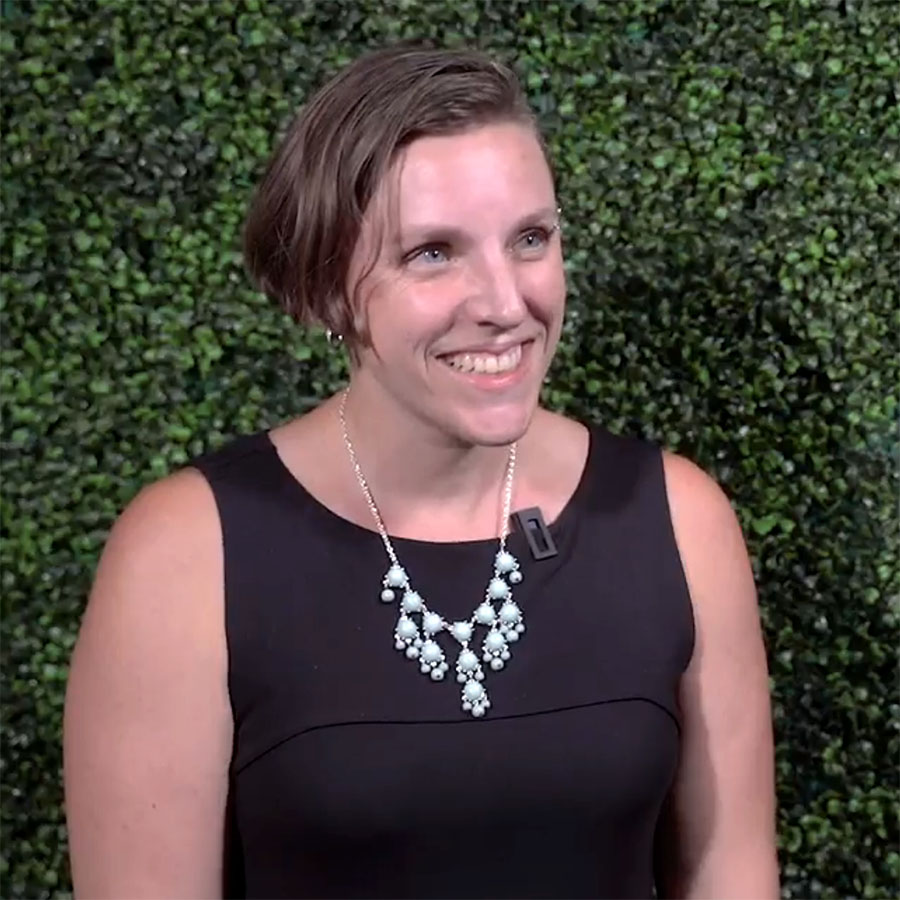
At a recent subject matter hearing, CNT staff member Miriam Savad called on the City to use vulnerability data to guide infrastructure investments, strengthen coordination across agencies, and build a more comprehensive system of prevention and recovery. Drawing on our work with the Flooding and Sewage Coalition, the Flooding and Sewage Vulnerability Index, and Chicago’s flood sensor pilot, we emphasized that the communities facing the greatest cumulative risks should be prioritized as the City makes decisions about infrastructure and resilience.
Thank you Alderwoman Hadden and fellow Alders of the Environmental Protection and Energy Committee for holding today’s hearing on the urgent and widespread issue of urban flooding in Chicago.
Center for Neighborhood Technology, or CNT, is a Chicago-based nonprofit organization that has worked on urban flooding since 2009. We are an active member of the Flooding and Sewage Coalition and we strongly support and echo the Coalition’s comments and recommendations today.
We want to add one central point: Chicago must move from reacting to flooding toward systematically identifying vulnerability and investing before disaster occurs.
Rainfall is becoming more intense, while decades of infrastructure disinvestment have left many South and West Side neighborhoods particularly vulnerable. Particularly since the gravity fed sewer system flows south and west2. And the consequences extend far beyond the water itself. Flooding damages homes and vehicles, creates mold and health risks, increases insurance burdens, threatens generational wealth, and can leave families recovering financially and emotionally for years.
CNT and our partners are working to better understand where these risks are greatest. Through the Flooding and Sewage Coalition, we developed the Flooding and Sewage Vulnerability Index to identify communities experiencing overlapping environmental and socioeconomic burdens. We are also working with Verizon and Hyfi on a flood sensor pilot that measures water levels in streets, sewers, and waterways and helps us better understand flooding alongside data collected from 311 and residents’ experiences.
We ask the City to take three specific actions.
First, use vulnerability to guide infrastructure investment. The Flooding and Sewage Vulnerability Index should help inform the City’s Capital Improvement Plan and implementation of the Green Stormwater Infrastructure Strategy so that resources are directed toward communities facing the greatest risks and the deepest history of underinvestment.
Second, strengthen coordination across government and with directly impacted communities. Flooding does not follow jurisdictional boundaries. The City, MWRD, Cook County, the State, and other agencies need formal mechanisms for sharing data, coordinating investments, and implementing solutions to this growing problem. The development of government solutions must come from collaboration with impacted communities.
Third, build a comprehensive system of prevention and recovery. Chicagoans need infrastructure maintenance and mitigation, but they also need early-warning systems, home-level improvements, and public health and recovery support after flooding occurs. CNT welcomes continued partnership with the Department of Water Management to evaluate flood sensor data and explore how these tools can strengthen that system.
Chicago cannot prevent every storm. But we can make deliberate choices about who is protected, where we invest, and whether residents are forced to recover from the same preventable damage again and again.
We urge the City to make vulnerability, coordination, and prevention central to its flooding strategy.
Thank you.